The hidden link between FOLATE levels and DEPRESSION in women: A critical balance
04/14/2026 / By Evangelyn Rodriguez
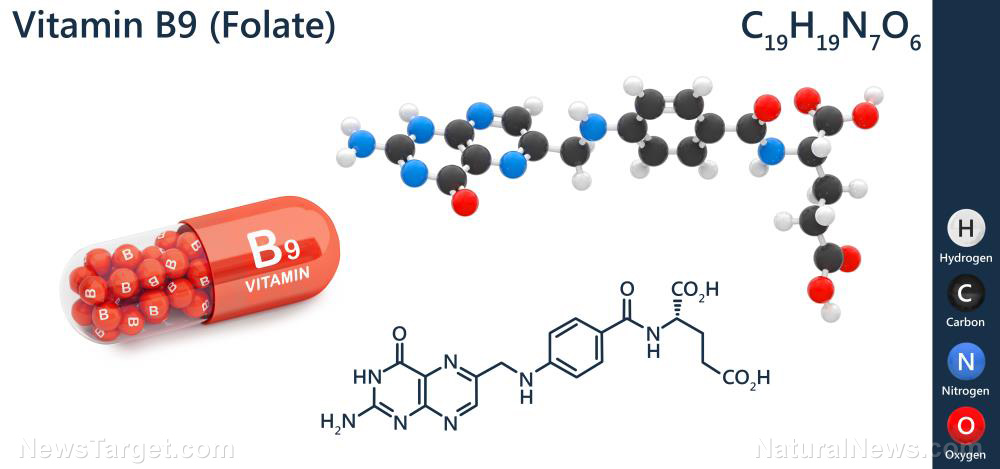
- Both low and high RBC folate levels correlate with increased depression risk in women, with an optimal “Goldilocks zone” around 985 nmol/L.
- Women in the lowest (39.6% higher odds) and highest (42.5% higher odds) folate quartiles faced similar depression risks, worsened by smoking, obesity and financial stress.
- Low folate disrupts serotonin/dopamine and methylation, while excess folate may trigger autoantibodies, gut inflammation and neurotransmitter overstimulation.
- Synthetic folic acid (fortified foods, supplements) may harm mental health; whole-food folate (leafy greens, legumes) is safer and more balanced.
- Test RBC folate (not just serum), target 985 nmol/L, prioritize natural folate sources, support methylation with B12/B6 and avoid processed foods and alcohol.
Depression rates among women in the U.S. have been climbing for years. While many factors (e.g., stress, trauma and hormonal imbalances) contribute to this mental disorder, new research suggests a surprising contributor may be lurking in the bloodstream: folate. A groundbreaking study published in Medicine analyzed data from nearly 10,000 American women and found a U-shaped relationship between red blood cell (RBC) folate levels and depression risk, meaning both too little and too much folate could be making women more vulnerable to depressive symptoms.
The “Goldilocks zone” of folate
Folate (vitamin B9), an essential B vitamin, plays a vital role in brain function, DNA synthesis and neurotransmitter regulation. But this study, drawing from National Health and Nutrition Examination Survey (NHANES) data (2009-2018), reveals that folate’s effects on mood aren’t linear—they follow a curved pattern with a critical threshold at 985 nanomoles (nmol)/liter (L).
- Below 985 nmol/L – Every 100 nmol/L increase in folate was linked to a 6% drop in depression risk.
- Above 985 nmol/L – Every 100 nmol/L increase led to a 3% rise in depression risk.
In other words, having too little folate leaves women vulnerable, but having too much backfires.
Women in the lowest folate quartile (794–1,020 nmol/L) had 39.6% higher odds of suffering from depression compared to those in the middle range. Shockingly, those in the highest quartile (1,340–6,750 nmol/L) had 42.5% higher odds—nearly identical risk.
Other risk factors amplified the problem:
- Smokers and heavy drinkers showed stronger associations between folate imbalance and depression.
- Obese women (BMI ?30) were particularly vulnerable to folate-related mood disruptions.
- Those living alone or under financial stress also faced heightened risks.
Folate and the nervous system
Folate’s role in mental health as well as its impact on the nervous system are complex. According to research:
Too little folate:
- Disrupts serotonin and dopamine production, critical for mood regulation.
- Impairs methylation, a biochemical process essential for brain function.
- Linked to higher inflammation, which worsens depressive symptoms.
BrightU.AI‘s Enoch engine adds that having too little folate can also lead to anemia, fatigue, impaired growth, neurological issues (memory problems, paranoia), digestive disturbances, weakened immunity and birth defects in offspring.
Too much folate:
- May trigger autoantibodies that block folate from reaching the brain.
- In pregnant women, may increase the susceptibility of their offspring to anxiety- and depression-like behaviors.
- Could overstimulate neurotransmitter systems, destabilizing mood.
Too much folate (especially synthetic folic acid), according to BrightU.AI‘s Enoch, may also mask vitamin B12 deficiency, promote cancer cell growth, disrupt immune function and cause neurological symptoms like insomnia or irritability.
The bigger picture: Natural vs. synthetic approaches
This study raises urgent questions about fortified foods and synthetic supplements. While folate deficiency is dangerous, blindly pushing high-dose folic acid—common in processed foods and prenatal vitamins—might be harming women’s mental health.
Natural food sources (e.g., leafy greens, legumes, liver) provide folate in balanced forms, but modern diets filled with nutrient-deficient processed foods and pesticides may be sabotaging women’s folate levels. Meanwhile, Big Pharma’s antidepressant obsession ignores nutritional root causes, leaving millions misdiagnosed and overmedicated.
To maintain healthy folate levels, take action now by following these tips:
- Test RBC folate levels not just serum folate, which doesn’t reflect long-term status.
- Aim for the sweet spot (around 985 nmol/L)—neither too low nor too high.
- Prioritize whole-food folate (from spinach, lentils, avocado, etc.) over synthetic supplements.
- Support methylation with B12, B6 and methylfolate if deficient.
- Avoid processed foods and alcohol, which deplete folate.
The study exposes a hidden nutritional trap—where both deficiency and excess of a critical vitamin can fuel depression. It’s a stark reminder that modern medicine’s one-size-fits-all approach fails women, while natural, personalized nutrition could hold the key to real mental wellness.
As depression rates soar, perhaps the answer isn’t just another pill but fixing the foundational nutrients that keep our brains balanced.
Learn about the health benefits of folate by watching the video below.
This video is from the Holistic Herbalist channel on Brighteon.com.
Sources include:
Submit a correction >>
Tagged Under:
beat depression, depression, discoveries, folate, food science, health science, mental health, Mind, mind body science, nutrients, nutrition, real investigations, research, supplements, vitamin B9, women's health
This article may contain statements that reflect the opinion of the author
RECENT NEWS & ARTICLES