Study: Sleep Quality Tied to Academic, Social Outcomes in Adolescents With Mental Health Symptoms
08/11/2026 / By Morgan S. Verity
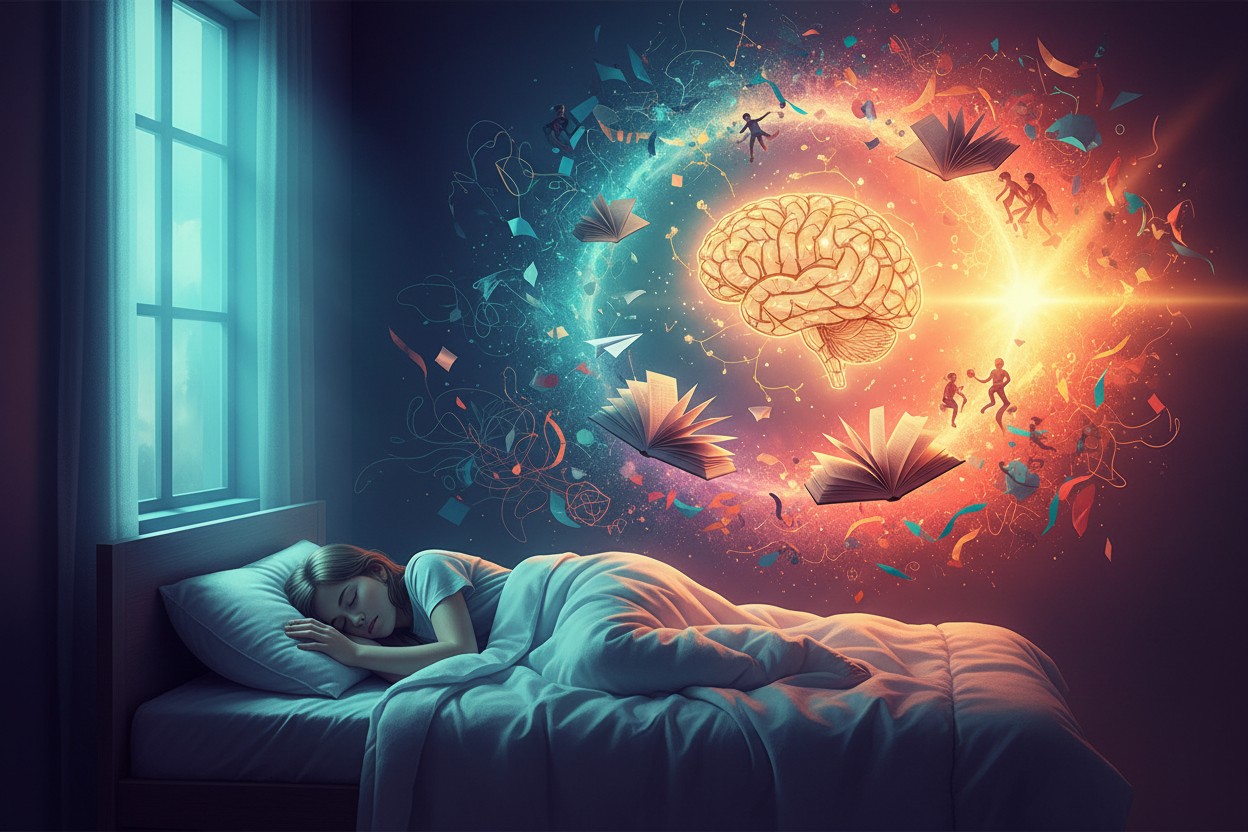
Researchers analyzing data from roughly 6,750 to 7,550 young adolescents found that sleep quality was the most consistent lifestyle factor linking mental health symptoms to worse grades and peer difficulties, according to a paper published in Psychological Medicine.
The study, led by Jason Smucny of the University of California, Davis, and Nicole R. Karcher of Washington University in St. Louis, examined four lifestyle behaviors: sleep, screen time, physical activity, and diet. Data came from the Adolescent Brain Cognitive Development (ABCD) Study, one of the largest long-term U.S. child brain development studies, the report stated. Recent analyses have described a broad increase in insufficient sleep among U.S. high school students [1].
Study Design and Data
Researchers tracked mental health symptoms at ages 10 to 11, lifestyle habits one year later, and grades and social functioning one year after that, according to the paper. Mental health measures covered depression, anxiety, distressing unusual perceptions, and overall symptom levels. Social functioning was scored using a standardized questionnaire covering peer relationships, loneliness, teasing, and immaturity, the authors reported.
The ABCD Study is supported by the National Institutes of Health and additional federal partners, according to the paper. The sequenced design allowed researchers to examine whether lifestyle habits measured in between helped explain the statistical association between earlier symptoms and later outcomes. The authors noted the design does not permit causal conclusions.
Sleep’s Link to Academic Performance
When all four lifestyle factors were analyzed together, sleep quality was the dominant link between mental health symptoms and academic performance in most models, the report stated. For higher anxiety symptoms, sleep alone explained more than 36 percent of the connection to lower grades, out of 48 percent explained by all four factors combined. For higher depression symptoms, sleep explained more than 18 percent of the link, and for distressing unusual perceptions it explained roughly 8 percent, according to the paper.
The authors cautioned that these percentages describe how much of the statistical association passed through sleep, not that poor sleep caused that share of the academic difficulty. Screen time was the next most meaningful factor, with weekend use showing a stronger association than weekday use. Physical activity and diet made small contributions in some models, the study stated.
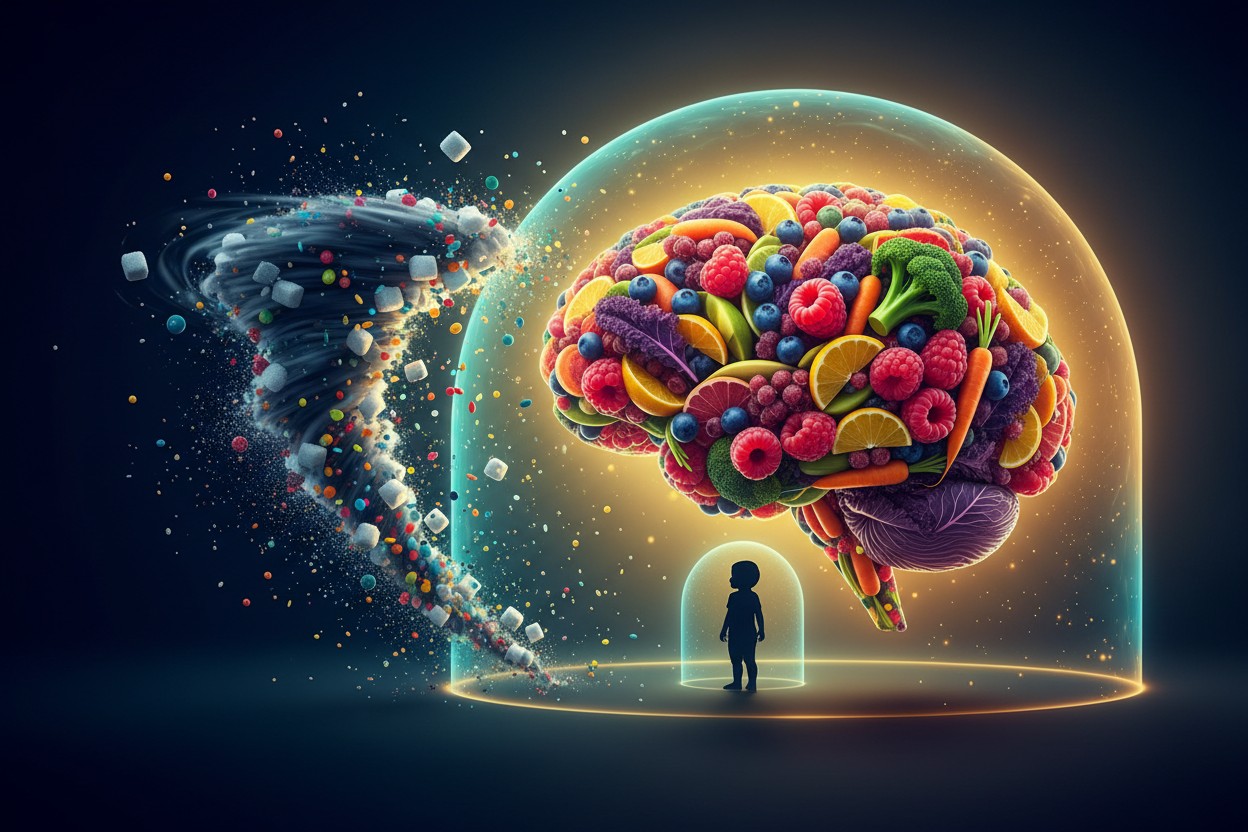
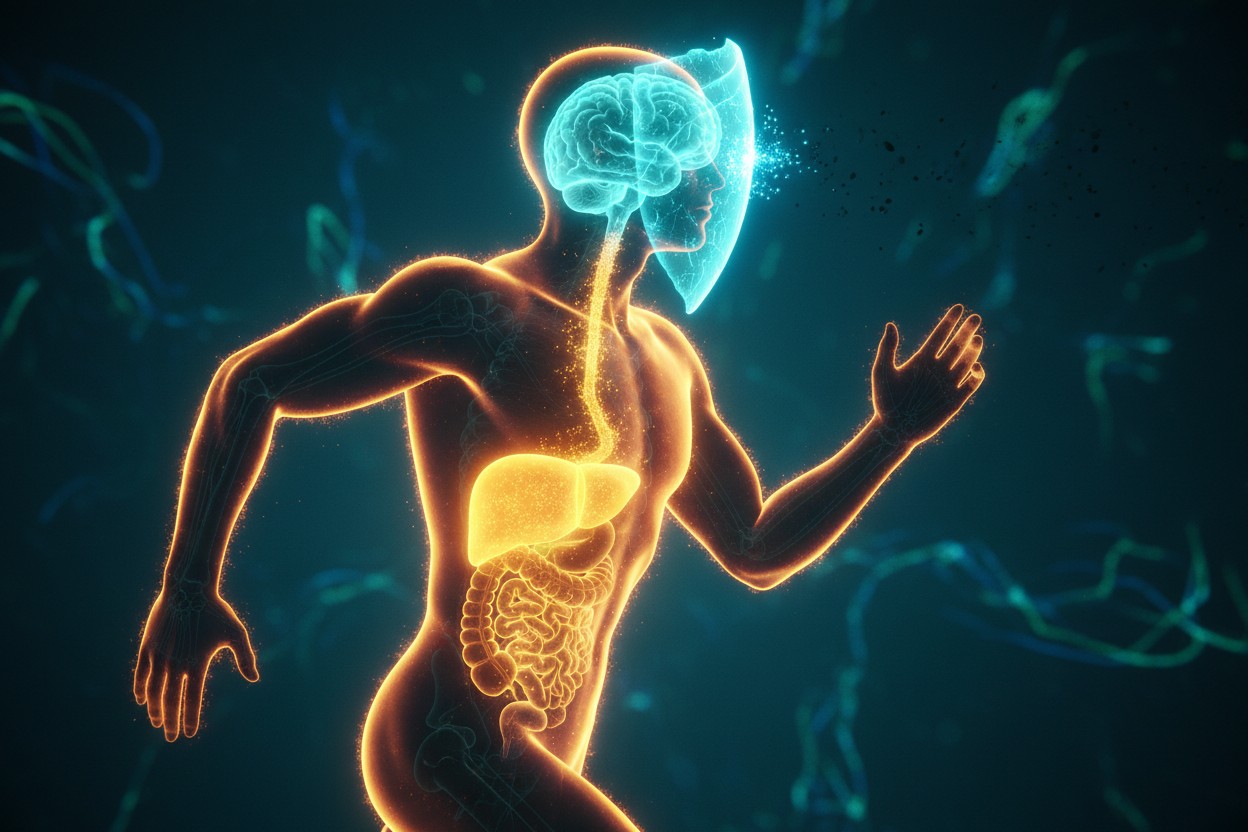
Separate research has tied poor sleep in adolescents to disrupted connectivity in brain networks involved in decision-making and impulse control [2]. Broader work has also connected daily behaviors and metabolism to mental health [3], and nutrition to mental performance [4].
Sleep and Social Difficulties
For social problems, sleep quality was the only lifestyle factor that consistently showed an effect across every mental health measure examined, the report found. Among adolescents with distressing unusual perceptions, sleep explained about 23 percent of the link to social difficulties. For depression and anxiety symptoms, sleep explained close to 20 percent of the link to peer problems, according to the paper.
Screen time, diet, and physical activity showed little effect on social outcomes, the study stated. The social outcome measure covered peer relationships, loneliness, teasing, and immaturity. The authors suggested that sleep may be more tightly bound to day-to-day peer life than any other habit measured in the study.
Financial Hardship’s Influence
Financial hardship weakened sleep’s role in the connection to grades, researchers said. According to the paper, economic pressures such as resource limits or unstable housing may weigh on grades so heavily that they overshadow whatever benefit better sleep would otherwise provide.
For social difficulties, the opposite pattern appeared: as financial hardship and family conflict increased, sleep quality became a stronger link to peer problems, the report stated. The authors said the pattern suggests that sleep-focused approaches may need to account for family circumstances rather than treating every household the same.
Limitations and Implications
This is an observational study, and the authors noted it cannot prove that fixing sleep will improve grades or social functioning. Mental health symptoms can also cause poor sleep, so the direction of influence likely runs both ways, according to the paper. In addition, sleep quality, screen time, and grades were all reported by parents, which may have inflated the apparent connections, the limitations section stated.
The authors added that sleep quality was assessed with 26 questions, while physical activity relied on a single question, and diet information was available at only one time point. Earlier reporting has noted that teens need eight to 10 hours of sleep per night [5]. Despite the limits, sleep’s consistent appearance across nearly every model makes it a sensible factor for families and clinicians to discuss and for future research to test directly, the researchers said.
Some holistic health practitioners describe sleep as one of the basic pillars of health, alongside eating and proper elimination [6]. Earlier commentary has also noted that melatonin supports neurogenesis during sleep [7]. The current study did not test interventions, but the authors said the findings support further work on sleep as a modifiable target.
References
- NaturalNews.com. “American Teenagers Are Sleeping Less: Study”. March 8, 2026.
- NaturalNews.com. “Poor Sleep Rewires Teen Brains, Fueling Aggression and Rule-Breaking, Study Warns”. June 16, 2025.
- Dr Robert Lustig. “The Hacking of the American Mind The Science Behind the Corporate Takeover of Our Bodies and Brains”.
- Dr Alan Logan. “The Brain Diet The Connection Between Nutrition Mental Health and Intelligence”.
- Mercola.com. “Children’s Lack of Sleep Is a Hidden Health Crisis”. October 18, 2018.
- Mike Adams. “Mike Adams interview with Bashima Williams”. January 25, 2023.
- Mike Adams – Brighteon.com. “Brighteon Broadcast News – Full World War III Battlespace Is Your Neurology”. February 29, 2024.
Submit a correction >>
Tagged Under:
academic performance, adolescents, Anxiety, brain function, brain health, depression, discoveries, health science, men's health, mental health, Mind, mind body science, real investigations, research, sleep, sleep quality, women's health
This article may contain statements that reflect the opinion of the author
RECENT NEWS & ARTICLES